The art of color in interior design (Part 2)
March 6, 2026
Interior Design
tips
education
inspiration

How to build a harmonious color palette

1) Start with something fixed

This could be:

  • Flooring
  • A large rug
  • Stone countertops
  • A favorite artwork
  • Upholstery you’re keeping

Pull undertones from that element.

2) Identify the undertone

Is it warm (yellow/red based)? Or cool (blue/gray based)?

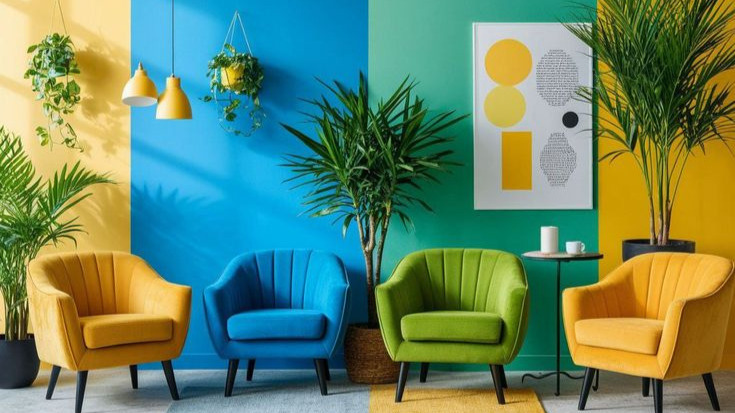
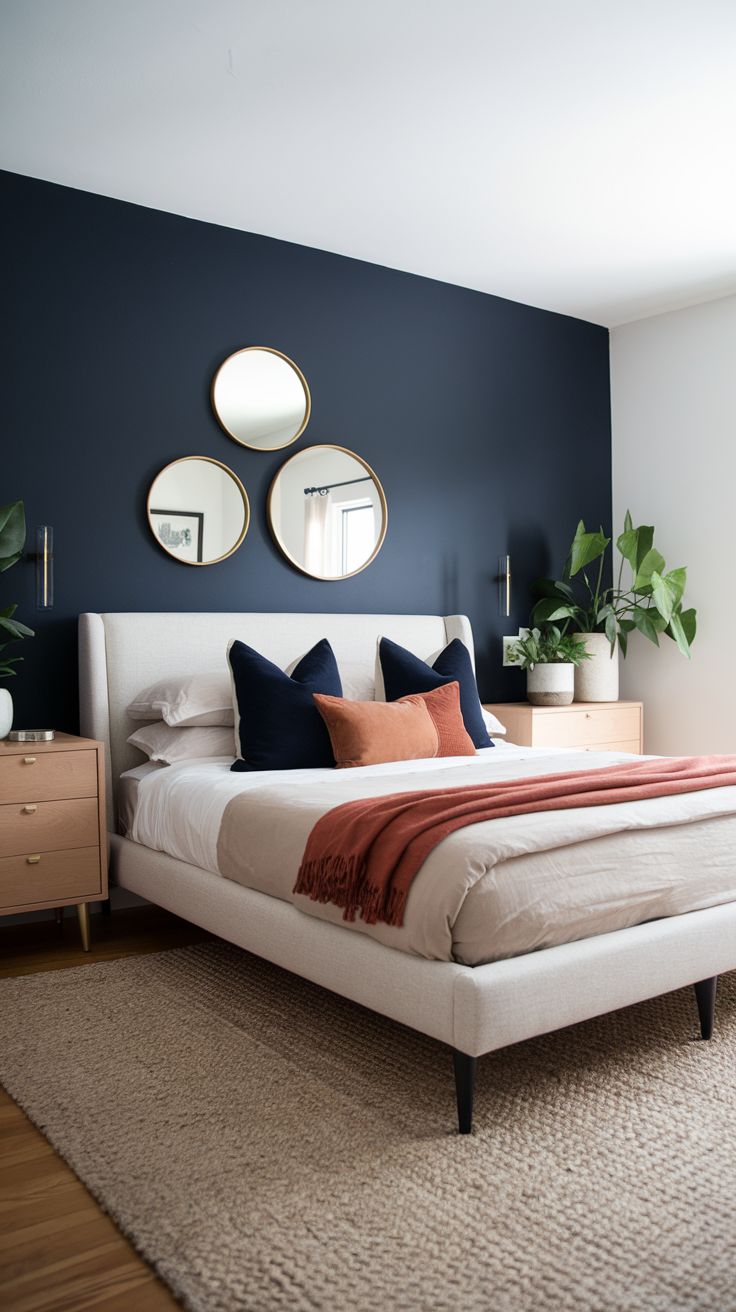
As you see in the examples below, mixing warm and cool isn’t wrong — but it must be intentional and balanced.

Warm and cool colors can co-exist if done right

3) Use the 60–30–10 rule

  • 60% dominant color (walls or large furnishings)
  • 30% secondary color (upholstery, curtains)
  • 10% accent (pillows, art, decor)

4) Layer in texture

Sometimes a space doesn’t need more color — it needs more texture.

Think:

  • Linen
  • Wood tones
  • Woven materials
  • Matte vs. gloss finishes

Texture creates visual interest without adding visual noise.
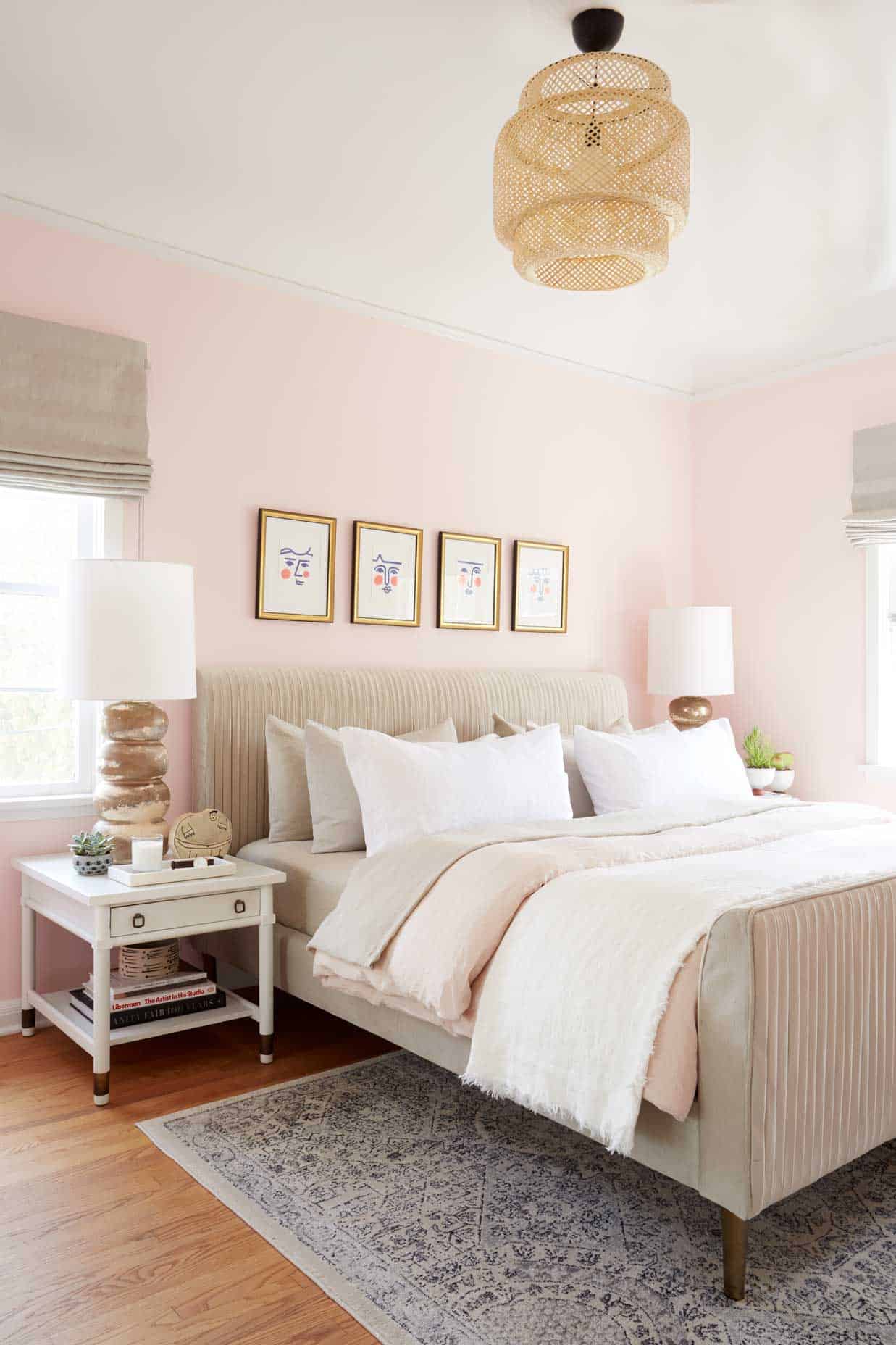
Image credit: Emily Henderson

Color strategies for different rooms

Living Room

Aim for cohesion and warmth. Open-plan homes especially benefit from a restrained base palette with subtle shifts in tone.

Image credit: ArchDaily

Bedroom

Lower contrast, softer transitions. Muted palettes promote rest.
Kitchen

Cabinet color can be a commitment. Neutrals age well, but an island is a great place to introduce some fun! Playing around with pendant lights or hardware is another way to bring in your unique style.

Kids’ Rooms

Instead of bright primary overload, try a muted base with playful accents that can evolve over time.

Common mistakes to avoid

  1. Choosing paint before fabrics
  2. Ignoring undertones
  3. Using too many bold colors at equal intensity
  4. Forgetting how lighting shifts color throughout the day
  5. Testing paint only on a tiny swatch

Paint adivce - always test large samples. Watch them in morning and evening light to make sure you love it!

A final thought on color

Color isn’t about trends — it’s about how you want your home to feel.

When chosen intentionally it creates rhythm, movement, and emotion within a space. It guides the eye. It softens architecture and creates a story. The most beautiful interiors aren’t the ones with the boldest palettes but ones where every hue feels considered.

When in doubt, start with a neutral foundation and build slowly. Layer by layer.

The art of color in interior design (Part 2)

April 1, 2026
Interior Design
tips
education
inspiration

How to build a harmonious color palette

1) Start with something fixed

This could be:

  • Flooring
  • A large rug
  • Stone countertops
  • A favorite artwork
  • Upholstery you’re keeping

Pull undertones from that element.

2) Identify the undertone

Is it warm (yellow/red based)? Or cool (blue/gray based)?

As you see in the examples below, mixing warm and cool isn’t wrong — but it must be intentional and balanced.

Warm and cool colors can co-exist if done right

3) Use the 60–30–10 rule

  • 60% dominant color (walls or large furnishings)
  • 30% secondary color (upholstery, curtains)
  • 10% accent (pillows, art, decor)

4) Layer in texture

Sometimes a space doesn’t need more color — it needs more texture.

Think:

  • Linen
  • Wood tones
  • Woven materials
  • Matte vs. gloss finishes

Texture creates visual interest without adding visual noise.

Image credit: Emily Henderson

Color strategies for different rooms

Living Room

Aim for cohesion and warmth. Open-plan homes especially benefit from a restrained base palette with subtle shifts in tone.

Image credit: ArchDaily

Bedroom

Lower contrast, softer transitions. Muted palettes promote rest.

Kitchen

Cabinet color can be a commitment. Neutrals age well, but an island is a great place to introduce some fun! Playing around with pendant lights or hardware is another way to bring in your unique style.

Kids’ Rooms

Instead of bright primary overload, try a muted base with playful accents that can evolve over time.

Common mistakes to avoid

  1. Choosing paint before fabrics
  2. Ignoring undertones
  3. Using too many bold colors at equal intensity
  4. Forgetting how lighting shifts color throughout the day
  5. Testing paint only on a tiny swatch

Paint adivce - always test large samples. Watch them in morning and evening light to make sure you love it!

A final thought on color

Color isn’t about trends — it’s about how you want your home to feel.

When chosen intentionally it creates rhythm, movement, and emotion within a space. It guides the eye. It softens architecture and creates a story. The most beautiful interiors aren’t the ones with the boldest palettes but ones where every hue feels considered.

When in doubt, start with a neutral foundation and build slowly. Layer by layer.

Table of contents

    Other posts you'll enjoy reading: