The art of color in interior design (Part 1)

March 5, 2026
Interior Design
tips
education
decor

Understanding color theory

Color is one of the most powerful tools in interior design. It can energize a room, calm the mind and highlight architectural features. In other cases it can completely transform the way a space feels — without changing a single piece of furniture.

Yet, color is often where homeowners feel the most overwhelmed. I hope this post will simplify color theory and the psychology behind color. In the next post I'll give you practical ways to build a cohesive color palette for your home. Let's begin!

1. The basics

  • Primary colors: Red, Blue, Yellow
  • Secondary colors: Green, Orange, Purple
  • Tertiary colors: A mix of primary + secondary
Image credit: MiaAndMadisonStudios

From there we create color schemes:

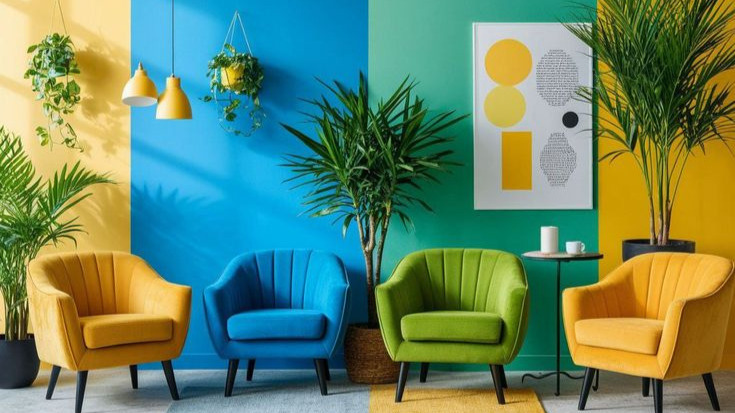
  • Monochromatic: Variations of one color (soft, layered, calming)
  • Analogous: Colors next to each other on the wheel (harmonious and easy)
  • Complementary: Opposites on the wheel (dynamic and high contrast)

Image credit: MiaAndMadisonStudios

In interior design we rarely use pure, saturated colors. Instead, we work with muted, grayed and tonal variations — which is what makes a space feel elevated a.k.a well designed.

2. The psychology of color

Color affects mood more than we realize. Here are some examples of how different colors behave in a space:

Blues - Calming, grounding, restful.
Great for bedrooms, offices, kitchens, bathrooms.

Bedrooms & entryway
Kitchens & Bathrooms

Greens - Balanced, fresh, connected to nature.
Beautiful in kitchens, family rooms, or anywhere you want quiet energy.
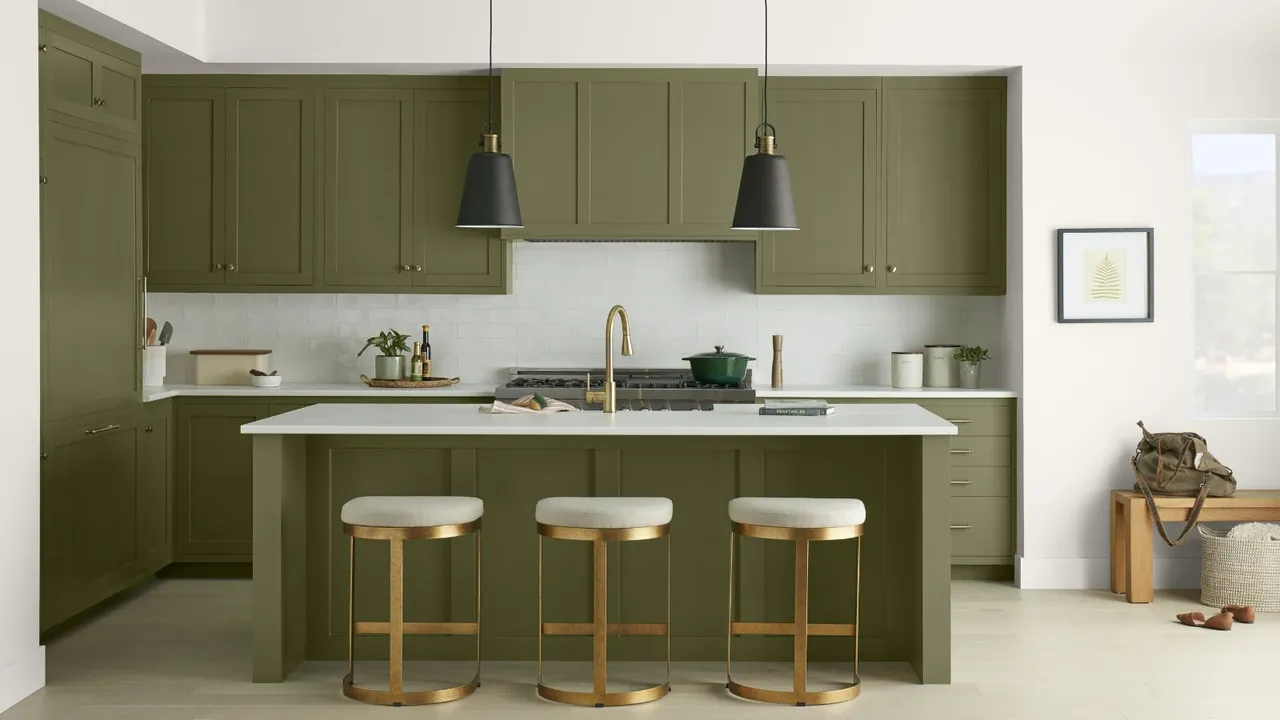
Image credit: Behr Paint

Warm Neutrals (beige, taupe, warm whites) - Inviting and comforting
Perfect for open-plan homes where cohesion matters.

Earthy Reds & Terracottas - Warmth, richness, intimacy
Lovely in dining rooms or powder rooms.

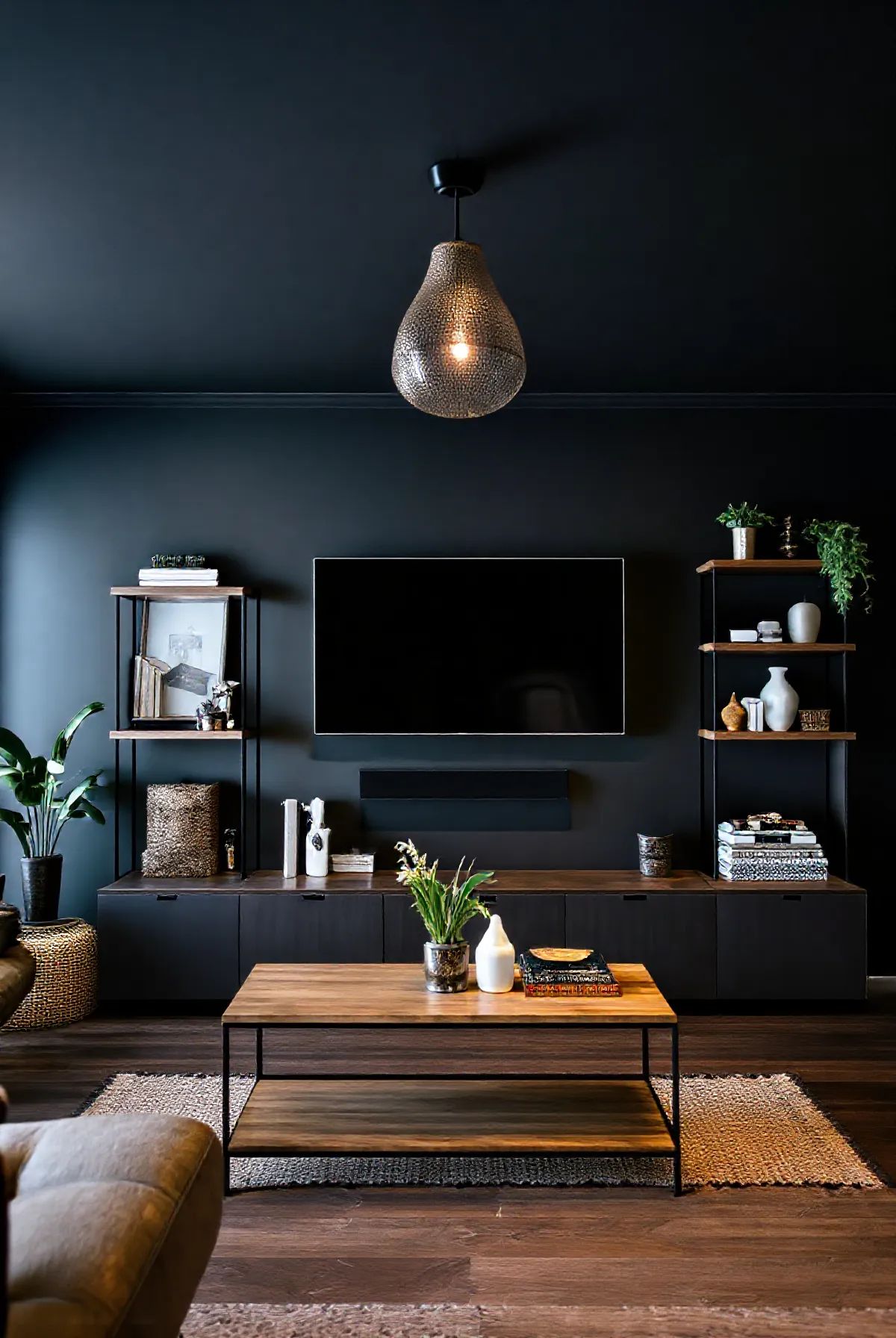
Deep Charcoal & Navy - Moody, dramatic, sophisticated
Stunning for accent walls, cabinetry or cozy dens.

Darker colors can work well with both tall ceilings and short

Here a dark hue gives a cozy vibe to this TV room

Context matters. A deep blue in a sun-drenched room feels serene. The same blue in a dark north-facing room can feel heavy. Lighting changes everything. When we choose colors intentionally it creates rhythm, movement and emotion within a space. It guides the eye and softens architecture. It creates a story.

In Part 2 I'll show you how to apply what we've learned so far to various rooms within your home and common mistakes.
The art of color in interior design (Part 1)

March 12, 2026
Interior Design
tips
education
decor

Understanding color theory

Color is one of the most powerful tools in interior design. It can energize a room, calm the mind and highlight architectural features. In other cases it can completely transform the way a space feels — without changing a single piece of furniture.

Yet, color is often where homeowners feel the most overwhelmed. I hope this post will simplify color theory and the psychology behind color. In the next post I'll give you practical ways to build a cohesive color palette for your home. Let's begin!

1. The basics

  • Primary colors: Red, Blue, Yellow
  • Secondary colors: Green, Orange, Purple
  • Tertiary colors: A mix of primary + secondary
Image credit: MiaAndMadisonStudios

From there we create color schemes:

  • Monochromatic: Variations of one color (soft, layered, calming)
  • Analogous: Colors next to each other on the wheel (harmonious and easy)
  • Complementary: Opposites on the wheel (dynamic and high contrast)

Image credit: MiaAndMadisonStudios

In interior design we rarely use pure, saturated colors. Instead, we work with muted, grayed and tonal variations — which is what makes a space feel elevated a.k.a well designed.

2. The psychology of color

Color affects mood more than we realize. Here are some examples of how different colors behave in a space:

Blues - Calming, grounding, restful.
Great for bedrooms, offices, kitchens, bathrooms.

Bedrooms & entryway
Kitchens & Bathrooms

Greens - Balanced, fresh, connected to nature.
Beautiful in kitchens, family rooms, or anywhere you want quiet energy.

Image credit: Behr Paint

Warm Neutrals (beige, taupe, warm whites) - Inviting and comforting
Perfect for open-plan homes where cohesion matters.

Earthy Reds & Terracottas - Warmth, richness, intimacy
Lovely in dining rooms or powder rooms.

Deep Charcoal & Navy - Moody, dramatic, sophisticated
Stunning for accent walls, cabinetry or cozy dens.

Darker colors can work well with both tall ceilings and short

Here a dark hue gives a cozy vibe to this TV room

Context matters. A deep blue in a sun-drenched room feels serene. The same blue in a dark north-facing room can feel heavy. Lighting changes everything. When we choose colors intentionally it creates rhythm, movement and emotion within a space. It guides the eye and softens architecture. It creates a story.

In Part 2 I'll show you how to apply what we've learned so far to various rooms within your home and common mistakes.

Table of contents

    Other posts you'll enjoy reading: